Test-pagefly
17 Dec, 2025
Know More →
Your cart (0)

Did you know we spend about a third of our lives on mattresses? That's a sign...
A good night's sleep is essential for overall well-being, and a clean, comfor...
Beneath the moon's gentle glow, pillows are the sentinels of comfort. This de...

Sleep is absolutely crucial to your little one’s well-being and health and ideal sleep habits begin at a very young age. However, some babies do take a long time to fall asleep, which can become cumbersome for parents. can take a toll on a baby’s overall development and wellbeing. Routine and early bedtime is a vital part of having a well-rested child. Read on to know more about some of the measures you can take to get your babies to sleep early. Make a plan: Prepare a bedtime ritual and follow it daily without fail. For infants, it could be as easy as singing or playing a sleep song. For toddlers and older children, find out what they find comforting. Give them the freedom to decide the number of books you will read and when they’ll get the cuddles. Make the room cooler: A drop in the body temperature after the sun sets is an indication to relax for the night. Earlier, when it wasn’t possible for homes to be insulated with settings that could be controlled, we would have felt the air cool down as the sun disappeared. This external cooling helps the body make the adjustment in temperature that occurs overnight. As the body’s temperature falls, you become more relaxed, and your metabolic rate also slows down, thereby lowering your hunger at night. Keep your baby warm by dressing them in breathable fabrics, with a sleep sack rather than a blanket. Stick to the routine: Following a set bedtime helps babies feel safe as it provides predictability. Children of all ages must ideally go to sleep and wake up at about the same times daily, including weekends. This would mean dissuading children from sleeping in on Saturday and Sunday mornings as it can disrupt their circadian rhythm and make waking up on other days much more difficult. Dim the lights: The glowing shade of the setting sun gives an indication to your body to start producing the sleep hormone melatonin. Babies could even be more sensitive to light at night. When bedtimes are delayed, they bring with them more exposure to light, forcing the start of babies’ internal clock later. The trouble is daylight keeps your baby’s wake time locked. In other words, the light your baby is subjected to in the evening, especially if bedtime is late, could be impeding your child’s natural bedtime. Stable sleep environment: Babies must have a stable sleep environment that will restore their trust, ease their fear over bedtime, and increase their confidence. In the first year, the safest place for a baby to sleep is in the crib. When a baby can turn over on their own, there's no need to force them into any particular sleeping position and it is better to avoid using towel rolls to keep babies on their side. Duroflex’s organic Baby Crib Mattress is manufactured with natural latex and coconut coir of the highest quality and offers your child undisturbed sleep. The latex layer is inherently strong, offering a soft sleeping surface to your child. This layer is augmented further by the firmness of the coir layer. The unique pin cores on the latex layer enable circulation of air keeping the mattress hygienic and germ-free.
Sleep is absolutely crucial to your little one’s well-being and health and ideal sleep habits begin at a very young age. However, some babies do take a long time to fall asleep, which can become cumbersome for parents. can take a toll on a baby’s overall development and wellbeing. Routine and early bedtime is a vital part of having a well-rested child. Read on to know more about some of the measures you can take to get your babies to sleep early. Make a plan: Prepare a bedtime ritual and follow it daily without fail. For infants, it could be as easy as singing or playing a sleep song. For toddlers and older children, find out what they find comforting. Give them the freedom to decide the number of books you will read and when they’ll get the cuddles. Make the room cooler: A drop in the body temperature after the sun sets is an indication to relax for the night. Earlier, when it wasn’t possible for homes to be insulated with settings that could be controlled, we would have felt the air cool down as the sun disappeared. This external cooling helps the body make the adjustment in temperature that occurs overnight. As the body’s temperature falls, you become more relaxed, and your metabolic rate also slows down, thereby lowering your hunger at night. Keep your baby warm by dressing them in breathable fabrics, with a sleep sack rather than a blanket. Stick to the routine: Following a set bedtime helps babies feel safe as it provides predictability. Children of all ages must ideally go to sleep and wake up at about the same times daily, including weekends. This would mean dissuading children from sleeping in on Saturday and Sunday mornings as it can disrupt their circadian rhythm and make waking up on other days much more difficult. Dim the lights: The glowing shade of the setting sun gives an indication to your body to start producing the sleep hormone melatonin. Babies could even be more sensitive to light at night. When bedtimes are delayed, they bring with them more exposure to light, forcing the start of babies’ internal clock later. The trouble is daylight keeps your baby’s wake time locked. In other words, the light your baby is subjected to in the evening, especially if bedtime is late, could be impeding your child’s natural bedtime. Stable sleep environment: Babies must have a stable sleep environment that will restore their trust, ease their fear over bedtime, and increase their confidence. In the first year, the safest place for a baby to sleep is in the crib. When a baby can turn over on their own, there's no need to force them into any particular sleeping position and it is better to avoid using towel rolls to keep babies on their side. Duroflex’s organic Baby Crib Mattress is manufactured with natural latex and coconut coir of the highest quality and offers your child undisturbed sleep. The latex layer is inherently strong, offering a soft sleeping surface to your child. This layer is augmented further by the firmness of the coir layer. The unique pin cores on the latex layer enable circulation of air keeping the mattress hygienic and germ-free.

Putting young children to bed at night is often a demanding task for any parent. Everyone has their own practice. Some appreciate total silence during a child’s bedtime, while others enjoy singing lullabies, storytelling, or playing sleep music for kids. Several claims can surely be made for the numerous ways of comforting an infant or child to sleep. Read on to know more about how playing music for infants and children at bedtime is beneficial: Bedtime music has a calming effect on kids: Children who listen to soothing music before going to bed have seen a remarkable improvement in their duration of sleep. They go through a more peaceful, deeper sleep and wake up less at night. Acting as a trigger, letting them know that it is time to sleep, bedtime music is an ideal way to add a sense of familiarity that can leave a child feeling safe and more relaxed. Besides, these children exhibit better focus and attentiveness during the day and have a normal and even heart rate all through the day. Health benefits: The reason why sleep sounds and lullabies are so useful, is the physiological impact they can potentially have on children. Our bodies are known to react to the pace and rhythm of the music we listen to, therefore, slow, gentle, rhythmic music slows down our heartbeats and enables deeper, quieter breathing. The rocking rhythm of a lullaby is close to a child's heartbeat, and the tranquil sounds are vital to soothe a baby after a day of loud and frenzied sounds. Unhurried music will lower ‘threat responses’ in babies, so they are less likely to be triggered, making their bedroom feel more secure. Superior sleep quality: A study on the impact of soothing background music on the quality of sleep learned that children who listen to relaxing background music at bedtime had superior sleep quality. Another research determined that calming classical music is a helpful intervention in easing sleep disorders. Nurses in maternity wards use this safe and easy to learn technique to treat sleeplessness. Eases stress: Music is known to lower stress levels and since stress is one of the prominent causes of sleep disorders, listening to music can induce sleep. Children today have to confront an extremely competitive environment with heavy school workloads and extracurricular activities. This adversely impacts their ability to sleep peacefully. Thus, anything that can lower their stress at bedtime will ensure better sleep. Enhances brain development:Many institutes that work on children’s health endorse music experiences during early childhood because, through music, toddlers can better understand their feelings, learn to interpret patterns, work out problems, and explore the world in vivid ways. Most importantly, sharing music experiences with their loved ones makes young children feel treasured. It is a good practice to put on your chosen lullabies/background sounds about half an hour before your child's bedtime, letting them soak up the music and relax, before putting them to rest.
Putting young children to bed at night is often a demanding task for any parent. Everyone has their own practice. Some appreciate total silence during a child’s bedtime, while others enjoy singing lullabies, storytelling, or playing sleep music for kids. Several claims can surely be made for the numerous ways of comforting an infant or child to sleep. Read on to know more about how playing music for infants and children at bedtime is beneficial: Bedtime music has a calming effect on kids: Children who listen to soothing music before going to bed have seen a remarkable improvement in their duration of sleep. They go through a more peaceful, deeper sleep and wake up less at night. Acting as a trigger, letting them know that it is time to sleep, bedtime music is an ideal way to add a sense of familiarity that can leave a child feeling safe and more relaxed. Besides, these children exhibit better focus and attentiveness during the day and have a normal and even heart rate all through the day. Health benefits: The reason why sleep sounds and lullabies are so useful, is the physiological impact they can potentially have on children. Our bodies are known to react to the pace and rhythm of the music we listen to, therefore, slow, gentle, rhythmic music slows down our heartbeats and enables deeper, quieter breathing. The rocking rhythm of a lullaby is close to a child's heartbeat, and the tranquil sounds are vital to soothe a baby after a day of loud and frenzied sounds. Unhurried music will lower ‘threat responses’ in babies, so they are less likely to be triggered, making their bedroom feel more secure. Superior sleep quality: A study on the impact of soothing background music on the quality of sleep learned that children who listen to relaxing background music at bedtime had superior sleep quality. Another research determined that calming classical music is a helpful intervention in easing sleep disorders. Nurses in maternity wards use this safe and easy to learn technique to treat sleeplessness. Eases stress: Music is known to lower stress levels and since stress is one of the prominent causes of sleep disorders, listening to music can induce sleep. Children today have to confront an extremely competitive environment with heavy school workloads and extracurricular activities. This adversely impacts their ability to sleep peacefully. Thus, anything that can lower their stress at bedtime will ensure better sleep. Enhances brain development:Many institutes that work on children’s health endorse music experiences during early childhood because, through music, toddlers can better understand their feelings, learn to interpret patterns, work out problems, and explore the world in vivid ways. Most importantly, sharing music experiences with their loved ones makes young children feel treasured. It is a good practice to put on your chosen lullabies/background sounds about half an hour before your child's bedtime, letting them soak up the music and relax, before putting them to rest.
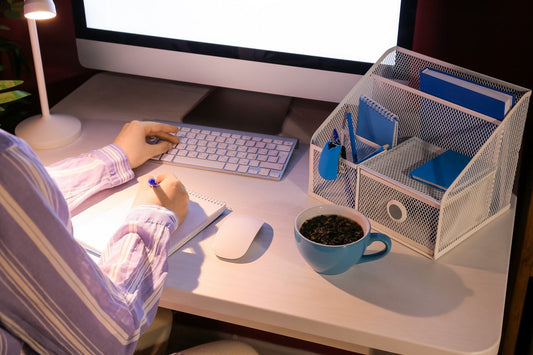
The pandemic has blurred the lines of personal and professional lives, and employees are burning the midnight oil, affecting their productivity. Many professionals cannot disconnect from work, which has become detrimental to their job satisfaction and productivity. Before the pandemic, people spent more time at work on a weekday, which meant less sleep. While stress and work schedule affect sleep, not sleeping well at night means you nod off your desk and miss important deadlines. Sacrificing sleep to get office work done and then losing productivity is a visicous and exhaustive cycle. Hence it is important to understand the link between productivity at work and sleep. Read below to know more: How Sleep Affects Your Performance Sleep is an essential aspect and is among the important pillars of health. Sleep rejuvenates all the organs of the body. The breathing rate slows down when you sleep, and the muscles begin to relax. The brain switches to the sleeping mode, which marks the beginning of innumerable body processes that replenish the mind and body. Sleep plays a vital role in rejuvenating the immune system and the cardiovascular system. It also helps in better functioning of the brain with more clarity of thought, better memory and capacity to learn new things and manage emotions. With many people over the world chronically underslept, it causes fatigue, which bleeds into the work performance. Without enough sleep, the body does not function properly, the brain is overworked and slow and causes impaired thinking. Suppose you are also among the underslept look for reasons for this happening and fix the root cause. If the mattress is the cause, then buy the mattress online. If your sleep pattern is the issue, look for ways to make it right and get enough sleep. It Impacts Physical Health The effects of tiredness of the body due to burning the midnight oil is quite significant. The common symptom of poor sleep at night is lethargy. Other symptoms like palpitations and heartburn are also associated with a lack of good sleep. Numerous studies support the connection between physical health and sleep quality. When you lack good snooze, your immunity is down, making you more prone to common illnesses. That can keep you away from work, which becomes detrimental to your career over the long run. There are other potential long term side effects of sleep deprivation. Chronic sleeplessness may cause serious ailments like heart disease, obesity, and diabetes. Impacts the Psychological Well-Being Not getting enough sleep has a great impact on the mood and feeling. There are a few people who, due to sleeplessness, even suffer from hallucinations, memory loss, paranoia and mania, which can prove detrimental to the job. While for many such dramatic things may not happen, there are subtle effects that prove challenging. People with a sleep deficit are often irritable and get angry, proving detrimental to social relationships. Also, they are more prone to stress, anxiety and feelings of frustration. They may also seem more pessimistic and have feelings of withdrawal—so poor sleep results in poor mental health, which means less productivity. Can Prove Dangerous In The Work Environment Apart from impacting physical and emotional health, lack of sleep can take a toll on cognitive skills. You may feel you lack proper judgement and your decision-making ability need a longer reaction time. In fact, as per studies, a long day at work is seen to have behavioural changes similar to drinking a few glasses of wine. This reduced cognitive performance can have severe repercussions in jobs where critical thinking is important. For example, drivers, pilots, surgeons and those who operate heavy machinery may have disastrous events when they are sleep deprived. So they must have a healthier sleep to work at optimal levels. So How Much Sleep Do You Need Anyway? Ask different people, and you will get different answers to it. For some, they need a good 8 hours of sleep, while for many others, they can make do with 5 or 6 hours. So anywhere between 6 to 8 hours is a good amount of sleep. While there is a small percentage of people who can do with five hours of sleep, another small set needs up to 10 hours. So the answer is it depends. However, more than the quantity of sleep, the quality of sleep matters. Even after getting the required hours of sleep, if you feel sleepy, you should assess the quality of sleep and probably buy a mattress online. The mattress should provide support and comfort and allow you to wake up feeling refreshed. Don’t worry about the mattress price; just look for something that gives you a good sleep. It is an investment with great health returns. With a deeper understanding of sleep and productivity, you should stop sacrificing sleep for your work to be more productive.
The pandemic has blurred the lines of personal and professional lives, and employees are burning the midnight oil, affecting their productivity. Many professionals cannot disconnect from work, which has become detrimental to their job satisfaction and productivity. Before the pandemic, people spent more time at work on a weekday, which meant less sleep. While stress and work schedule affect sleep, not sleeping well at night means you nod off your desk and miss important deadlines. Sacrificing sleep to get office work done and then losing productivity is a visicous and exhaustive cycle. Hence it is important to understand the link between productivity at work and sleep. Read below to know more: How Sleep Affects Your Performance Sleep is an essential aspect and is among the important pillars of health. Sleep rejuvenates all the organs of the body. The breathing rate slows down when you sleep, and the muscles begin to relax. The brain switches to the sleeping mode, which marks the beginning of innumerable body processes that replenish the mind and body. Sleep plays a vital role in rejuvenating the immune system and the cardiovascular system. It also helps in better functioning of the brain with more clarity of thought, better memory and capacity to learn new things and manage emotions. With many people over the world chronically underslept, it causes fatigue, which bleeds into the work performance. Without enough sleep, the body does not function properly, the brain is overworked and slow and causes impaired thinking. Suppose you are also among the underslept look for reasons for this happening and fix the root cause. If the mattress is the cause, then buy the mattress online. If your sleep pattern is the issue, look for ways to make it right and get enough sleep. It Impacts Physical Health The effects of tiredness of the body due to burning the midnight oil is quite significant. The common symptom of poor sleep at night is lethargy. Other symptoms like palpitations and heartburn are also associated with a lack of good sleep. Numerous studies support the connection between physical health and sleep quality. When you lack good snooze, your immunity is down, making you more prone to common illnesses. That can keep you away from work, which becomes detrimental to your career over the long run. There are other potential long term side effects of sleep deprivation. Chronic sleeplessness may cause serious ailments like heart disease, obesity, and diabetes. Impacts the Psychological Well-Being Not getting enough sleep has a great impact on the mood and feeling. There are a few people who, due to sleeplessness, even suffer from hallucinations, memory loss, paranoia and mania, which can prove detrimental to the job. While for many such dramatic things may not happen, there are subtle effects that prove challenging. People with a sleep deficit are often irritable and get angry, proving detrimental to social relationships. Also, they are more prone to stress, anxiety and feelings of frustration. They may also seem more pessimistic and have feelings of withdrawal—so poor sleep results in poor mental health, which means less productivity. Can Prove Dangerous In The Work Environment Apart from impacting physical and emotional health, lack of sleep can take a toll on cognitive skills. You may feel you lack proper judgement and your decision-making ability need a longer reaction time. In fact, as per studies, a long day at work is seen to have behavioural changes similar to drinking a few glasses of wine. This reduced cognitive performance can have severe repercussions in jobs where critical thinking is important. For example, drivers, pilots, surgeons and those who operate heavy machinery may have disastrous events when they are sleep deprived. So they must have a healthier sleep to work at optimal levels. So How Much Sleep Do You Need Anyway? Ask different people, and you will get different answers to it. For some, they need a good 8 hours of sleep, while for many others, they can make do with 5 or 6 hours. So anywhere between 6 to 8 hours is a good amount of sleep. While there is a small percentage of people who can do with five hours of sleep, another small set needs up to 10 hours. So the answer is it depends. However, more than the quantity of sleep, the quality of sleep matters. Even after getting the required hours of sleep, if you feel sleepy, you should assess the quality of sleep and probably buy a mattress online. The mattress should provide support and comfort and allow you to wake up feeling refreshed. Don’t worry about the mattress price; just look for something that gives you a good sleep. It is an investment with great health returns. With a deeper understanding of sleep and productivity, you should stop sacrificing sleep for your work to be more productive.

Moving into and setting up a new house is an exhilarating yet overwhelming experience. Whether you are overseeing the setting up of your new house on your own or you have your relatives or friends to support you, it will still take you a while to purchase all the items in your home essentials list and settle in. When you move into a new place, you will inevitably have to plan certain tasks and get a number of things ready. Each room in your new house will have several items that you must obtain based on your convenience. You must prepare a checklist where you can list down the things to buy for a new house and prioritize safety concerns, such as cleaning, fumigating among other things. Then you must also make a list of the tasks that must be finished within a couple of months after you move in relating to maintenance, organization, and unpacking the last remaining items. Eventually, you can attend to the non-essential tasks, such as home improvements and projects that you would like to complete within the year such as landscaping and renovations. There are certain things that you must do before moving in and other things that must be done after you have moved in. Here is a checklist that will make your task of moving into your new house a lot easier: Before Moving in TV and internet connection: Ensure that your internet and TV connection are up and running before you move in. Do your research to understand where you stand to assess pricing and find out about the service providers that will suit your desires. Plan the installation a couple of weeks in advance to make sure that the services are activated on time. Transfer utilities:Set up your physical utilities such as water, cooking gas, and electricity. Although firms overseeing utilities are often timely when it comes to activation, the sooner you inform them of your move-in date, the better. This is particularly true if you are shifting during the moving season when such firms have to cater to other clients as well. Schedule a day for cleaning:Before moving furniture and other bulky items, you must spruce up your new home. The former owner may not have meticulously cleaned the house. So, arrange an agency to come in and do a comprehensive clean-up. After Moving in Unpacking: The first few days of unpacking can become a lot simpler if you have a couple of close buddies to help you out. To make the process smooth, set targets, and find out the most sensible order of unpacking. Before you know it, your new home will look like a cozy place to dwell. Get the necessary furniture: Chances are, you may not have all the essential furniture needed to make a home livable. Get a table, a few chairs, a cupboard, a bed, and a mattress as soon as you move in, depending on your needs. Make a home maintenance checklist: Prepare a maintenance checklist to make sure your new home is in decent shape to stay. A few of these maintenance checks include tasks such as unclogging bathroom drains, landscaping among other things that may be appropriate for you once you move in. This new home checklist will help you keep things in order and avoid missteps as you get ready to transition into your new place of dwelling.
Moving into and setting up a new house is an exhilarating yet overwhelming experience. Whether you are overseeing the setting up of your new house on your own or you have your relatives or friends to support you, it will still take you a while to purchase all the items in your home essentials list and settle in. When you move into a new place, you will inevitably have to plan certain tasks and get a number of things ready. Each room in your new house will have several items that you must obtain based on your convenience. You must prepare a checklist where you can list down the things to buy for a new house and prioritize safety concerns, such as cleaning, fumigating among other things. Then you must also make a list of the tasks that must be finished within a couple of months after you move in relating to maintenance, organization, and unpacking the last remaining items. Eventually, you can attend to the non-essential tasks, such as home improvements and projects that you would like to complete within the year such as landscaping and renovations. There are certain things that you must do before moving in and other things that must be done after you have moved in. Here is a checklist that will make your task of moving into your new house a lot easier: Before Moving in TV and internet connection: Ensure that your internet and TV connection are up and running before you move in. Do your research to understand where you stand to assess pricing and find out about the service providers that will suit your desires. Plan the installation a couple of weeks in advance to make sure that the services are activated on time. Transfer utilities:Set up your physical utilities such as water, cooking gas, and electricity. Although firms overseeing utilities are often timely when it comes to activation, the sooner you inform them of your move-in date, the better. This is particularly true if you are shifting during the moving season when such firms have to cater to other clients as well. Schedule a day for cleaning:Before moving furniture and other bulky items, you must spruce up your new home. The former owner may not have meticulously cleaned the house. So, arrange an agency to come in and do a comprehensive clean-up. After Moving in Unpacking: The first few days of unpacking can become a lot simpler if you have a couple of close buddies to help you out. To make the process smooth, set targets, and find out the most sensible order of unpacking. Before you know it, your new home will look like a cozy place to dwell. Get the necessary furniture: Chances are, you may not have all the essential furniture needed to make a home livable. Get a table, a few chairs, a cupboard, a bed, and a mattress as soon as you move in, depending on your needs. Make a home maintenance checklist: Prepare a maintenance checklist to make sure your new home is in decent shape to stay. A few of these maintenance checks include tasks such as unclogging bathroom drains, landscaping among other things that may be appropriate for you once you move in. This new home checklist will help you keep things in order and avoid missteps as you get ready to transition into your new place of dwelling.

Are you someone who wakes up energized and leaps out of bed when the first rays of the sun enter your room? Some would say yes, and others would say no. However, many of us are not aware that our individual routines the previous night shape our sleep quality. If you often wake up feeling unenthusiastic or exhausted, you might want to take a look at how you spend your night and follow these hacks that will help you better your bedtime routine. Upbeat bedtime reflections: Before you tuck yourself in, think about how you will wake up feeling invigorated. Having such positive thoughts will help you be prepared to wake up feeling cheerful and motivated. Even if this may appear to be insignificant, your initial thoughts in the morning often reveal your final thoughts before going to sleep. Begin modestly:Keep your schedule in the morning quick and easy to accomplish. If you have a massive checklist of tasks to finish each morning, you will feel exhausted and depleted before you even leave your bed. If you follow a regular schedule when you wake up, you will start your day feeling calm and composed. Let the sunshine in:A dark setting is perfect for deep, peaceful sleep. However, if you wish to wake up on your own without an alarm, you must look for a way to let sunlight into your room in the morning. Letting sunlight awaken you will help reinforce your circadian rhythms and give you a superior energy lift. Avoid eating before going to bed:Give your body sufficient time to relax. Let the food settle and allow the body to digest it before going to bed and not during. When you are asleep, the body is in a healing mode. This is the moment when the body fixes and revitalizes itself. When you eat too close to bedtime, the consequence of late-night eating changes this healing mode and triggers the energy regeneration process to get impacted. Switch off and decompress:If you wish to feel energized when you wake up in the morning, you must decompress yourself and unplug from all electronic devices before going to bed. Stop going through all work emails and avoid using social media for at least an hour before sleep. Do spend the time looking back on the day gone by and ponder on what you can look forward to the next day. Incorporate meditation or yoga before your bedtime:Yoga exercise and meditation are excellent stressbusters, and sleep comes better with minimal stress. There are many meditation routines like Yoga Nidra which are specifically meant to give you a deep sleep. However, do remember that you should be performing only light sleep-inducing stretches or Yogasanas before bedtime and not a full-fledged workout. Use a comfortable mattress:A good mattress that offers adequate support to your neck and back is crucial for a restful night of sleep and will help you wake up relaxed, rejuvenated, and re-energized. Duroflex offers a wide range of mattresses for people with varied needs. These seven tips will help you on your journey to get a well-rested sleep, and you will rise each morning full of vigour and energy.
Are you someone who wakes up energized and leaps out of bed when the first rays of the sun enter your room? Some would say yes, and others would say no. However, many of us are not aware that our individual routines the previous night shape our sleep quality. If you often wake up feeling unenthusiastic or exhausted, you might want to take a look at how you spend your night and follow these hacks that will help you better your bedtime routine. Upbeat bedtime reflections: Before you tuck yourself in, think about how you will wake up feeling invigorated. Having such positive thoughts will help you be prepared to wake up feeling cheerful and motivated. Even if this may appear to be insignificant, your initial thoughts in the morning often reveal your final thoughts before going to sleep. Begin modestly:Keep your schedule in the morning quick and easy to accomplish. If you have a massive checklist of tasks to finish each morning, you will feel exhausted and depleted before you even leave your bed. If you follow a regular schedule when you wake up, you will start your day feeling calm and composed. Let the sunshine in:A dark setting is perfect for deep, peaceful sleep. However, if you wish to wake up on your own without an alarm, you must look for a way to let sunlight into your room in the morning. Letting sunlight awaken you will help reinforce your circadian rhythms and give you a superior energy lift. Avoid eating before going to bed:Give your body sufficient time to relax. Let the food settle and allow the body to digest it before going to bed and not during. When you are asleep, the body is in a healing mode. This is the moment when the body fixes and revitalizes itself. When you eat too close to bedtime, the consequence of late-night eating changes this healing mode and triggers the energy regeneration process to get impacted. Switch off and decompress:If you wish to feel energized when you wake up in the morning, you must decompress yourself and unplug from all electronic devices before going to bed. Stop going through all work emails and avoid using social media for at least an hour before sleep. Do spend the time looking back on the day gone by and ponder on what you can look forward to the next day. Incorporate meditation or yoga before your bedtime:Yoga exercise and meditation are excellent stressbusters, and sleep comes better with minimal stress. There are many meditation routines like Yoga Nidra which are specifically meant to give you a deep sleep. However, do remember that you should be performing only light sleep-inducing stretches or Yogasanas before bedtime and not a full-fledged workout. Use a comfortable mattress:A good mattress that offers adequate support to your neck and back is crucial for a restful night of sleep and will help you wake up relaxed, rejuvenated, and re-energized. Duroflex offers a wide range of mattresses for people with varied needs. These seven tips will help you on your journey to get a well-rested sleep, and you will rise each morning full of vigour and energy.

Lying down horizontally with your head marginally elevated is an ideal posture to nap. You can also use a cushion or pillow to support your spine while sleeping as it spreads your bodyweight uniformly. A conventional foam or coir mattress is an ideal choice to catch your sleep and it is advisable to sleep at the same place each night. However, some of us doze off on the couch occasionally but making that a habit can hurt our health and sleep. Read on to understand why. Downsides to Sleeping on the Sofa If you wish to improve your sleep quality or if you experience chronic back pain, sleeping on the sofa is certainly not a good practice. Here are some major drawbacks of sleeping on the sofa: Sofas will not keep you cool:Mattresses are made of materials that support your back and keep you relaxed and cool. Sofas, on the other hand, are designed to offer comfort while you are seated. Couches are often made of fabrics that are durable for a long life but hard on your skin. Many sofa fabrics also do not offer breathability, causing your body to heat up when you sleep on them. Sofas do not offer back support: Most sofas are built for short-term comfort, and they are cozy and soft but do not offer sufficient back support. A mattress supports the whole body from head to toe while sleeping. In contrast, most sofas have several seat cushions, seams, and gaps that do not offer any back support. That lack of support can cause stiffness and discomfort when you wake up. Sleeping on a sofa can also lead to needless strain on the pressure points on your back and neck muscles. Sofas are often dirtier than beds: While you can wash your bed sheet every week, you cannot do so with your couch, especially if cushion covers can’t be replaced. From spilt snacks to dust and grime, your couch is often much dirtier than any other piece of furniture. By sleeping on your sofa instead of your bed, you are subjecting yourself to an array of bacteria, germs and allergens that can affect your sleep hygiene and your health. Sofas cannot keep your spine in alignment: Besides offering minimal support while sleeping, sofas also impede spinal alignment. Sofas are soft in the middle so your body sinks down, and some keep their head on the armrest, leading to misalignment of the head that could trigger a stiff neck. Sleep posture is important, particularly if you wish to avoid back and neck pain. Frequently sleeping in an improper sleeping position over a long time can lead to discomfort, aching, and cramping in the back, neck, and buttocks. Falling asleep on the sofa once in a while won’t harm your health. However, sleeping on your sofa frequently can put you at a greater risk for health conditions such as chronic neck pain and backache.
Lying down horizontally with your head marginally elevated is an ideal posture to nap. You can also use a cushion or pillow to support your spine while sleeping as it spreads your bodyweight uniformly. A conventional foam or coir mattress is an ideal choice to catch your sleep and it is advisable to sleep at the same place each night. However, some of us doze off on the couch occasionally but making that a habit can hurt our health and sleep. Read on to understand why. Downsides to Sleeping on the Sofa If you wish to improve your sleep quality or if you experience chronic back pain, sleeping on the sofa is certainly not a good practice. Here are some major drawbacks of sleeping on the sofa: Sofas will not keep you cool:Mattresses are made of materials that support your back and keep you relaxed and cool. Sofas, on the other hand, are designed to offer comfort while you are seated. Couches are often made of fabrics that are durable for a long life but hard on your skin. Many sofa fabrics also do not offer breathability, causing your body to heat up when you sleep on them. Sofas do not offer back support: Most sofas are built for short-term comfort, and they are cozy and soft but do not offer sufficient back support. A mattress supports the whole body from head to toe while sleeping. In contrast, most sofas have several seat cushions, seams, and gaps that do not offer any back support. That lack of support can cause stiffness and discomfort when you wake up. Sleeping on a sofa can also lead to needless strain on the pressure points on your back and neck muscles. Sofas are often dirtier than beds: While you can wash your bed sheet every week, you cannot do so with your couch, especially if cushion covers can’t be replaced. From spilt snacks to dust and grime, your couch is often much dirtier than any other piece of furniture. By sleeping on your sofa instead of your bed, you are subjecting yourself to an array of bacteria, germs and allergens that can affect your sleep hygiene and your health. Sofas cannot keep your spine in alignment: Besides offering minimal support while sleeping, sofas also impede spinal alignment. Sofas are soft in the middle so your body sinks down, and some keep their head on the armrest, leading to misalignment of the head that could trigger a stiff neck. Sleep posture is important, particularly if you wish to avoid back and neck pain. Frequently sleeping in an improper sleeping position over a long time can lead to discomfort, aching, and cramping in the back, neck, and buttocks. Falling asleep on the sofa once in a while won’t harm your health. However, sleeping on your sofa frequently can put you at a greater risk for health conditions such as chronic neck pain and backache.

All Days: 10am - 10pm